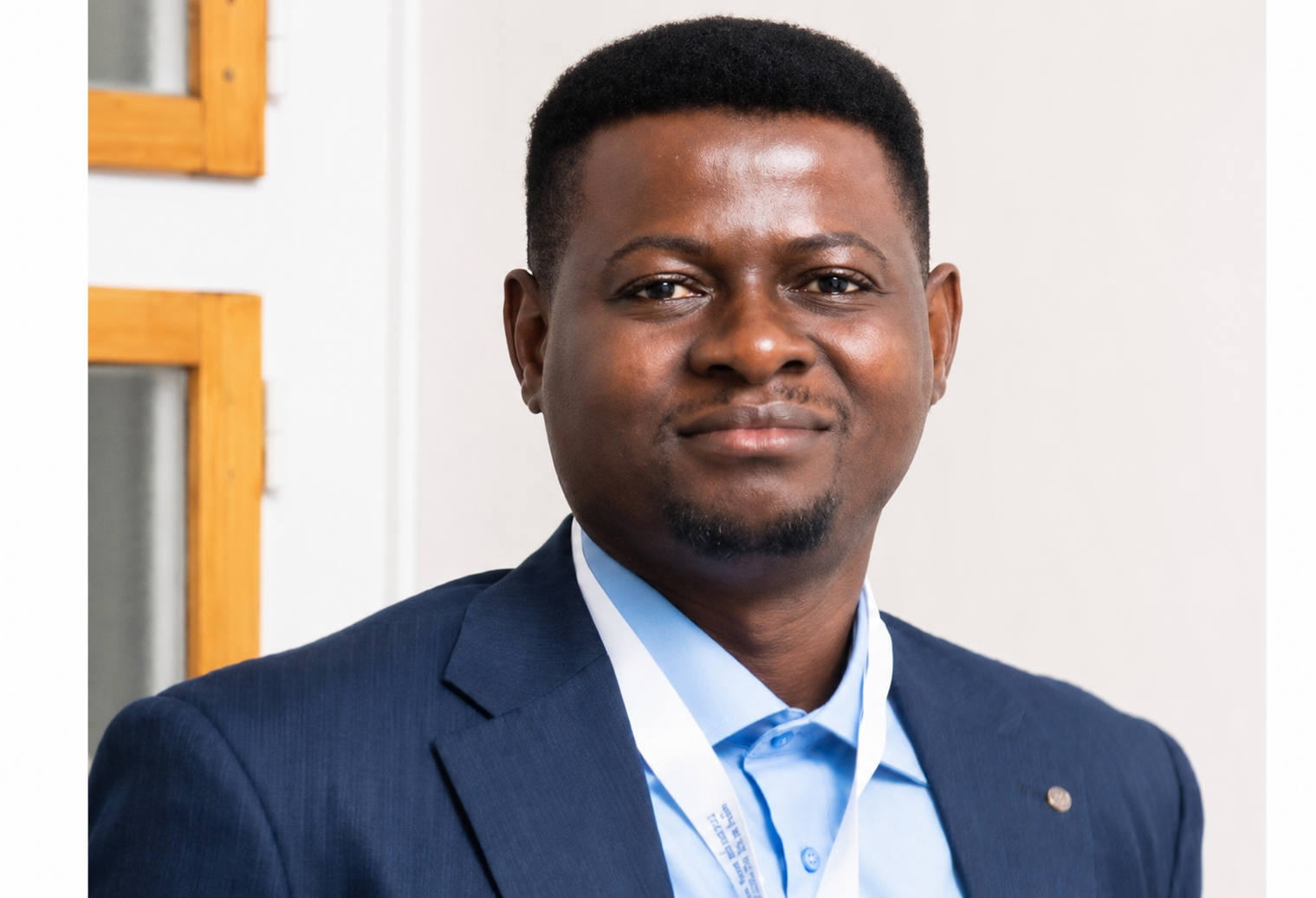
Service before status.
Community before clinic.
Bono Heart Initiative was born from a journey that crossed communities, countries, and healthcare systems, but always returned to one central question: why should access to specialist care depend on geography?
ELAM Cuba: Where It Began
Dr. Bediako Mensah began his medical training at the Latin American School of Medicine (ELAM) in Cuba, a globally recognised institution founded on the principles of equity, prevention, and service to underserved communities.
At ELAM, healthcare was not viewed as something confined to hospitals. Physicians were taught to engage communities directly, identify disease early, and bring care closer to those who needed it most. This philosophy profoundly shaped his understanding of medicine, and never left him.
But this commitment to equity was not shaped by training alone. Growing up in Ghana, Dr. Bediako Mensah experienced first-hand the realities faced by people in underserved communities: the distances travelled to reach care, the costs that made specialist appointments impossible, the diagnoses that came too late because no system had ever reached the patient first. ELAM did not create this conviction. It gave it a framework, a language, and a path forward.
Cardiocentro Ernesto Che Guevara: Specialist Training
Following medical school, he pursued specialist cardiology training at the Cardiocentro Ernesto Che Guevara in Santa Clara, Cuba, one of the country's leading cardiovascular centres. There he gained advanced experience in cardiovascular diagnostics, heart failure management, structural heart disease, echocardiography, preventive cardiology, and the complexities of specialist cardiac care.
"Many of the patients presenting with advanced cardiovascular disease could have been identified much earlier, if effective systems for detection and follow-up had existed closer to where they lived."
That experience revealed an important reality: the clinical problems were rarely the result of poor medicine. They were the result of late presentation, driven by distance, cost, and the absence of structured detection systems in communities.
Returning to Ghana: The Observation That Could Not Be Ignored
Returning to Ghana and working within the Bono Region reinforced this observation. Patients frequently travelled long distances for specialist evaluation, often presenting late, after years of undetected hypertension, diabetes, heart failure, congenital heart disease, or kidney disease. The need was clear. The system to address it did not yet exist.
University Hospital Zurich: Building Systems That Last
Years later, this vision was further deepened through advanced postgraduate cardiovascular systems training at the University Hospital Zurich, one of Europe's foremost academic medical centres, through the internationally recognised Postgraduate Course in Heart Failure (PCHF). Dr. Bediako Mensah is currently enrolled in the programme and is expected to complete the Certificate of Advanced Studies (CAS) in 2027.
The PCHF programme brought together cardiovascular clinicians and health system leaders from across the world to examine how sustainable, high-quality heart failure care is designed, implemented, and measured at scale. The curriculum was rigorous: heart failure systems design, longitudinal patient registries, multidisciplinary care models, implementation science, outcomes measurement, and the principles of continuous quality improvement in cardiovascular programmes.
While Cuba taught the importance of equity and community engagement, and Cardiocentro provided deep specialist clinical expertise, Zurich answered the question that had been forming for years: how do you build a cardiovascular system that does not just serve patients today, but continues to serve them, improves over time, and generates the evidence to change policy permanently?
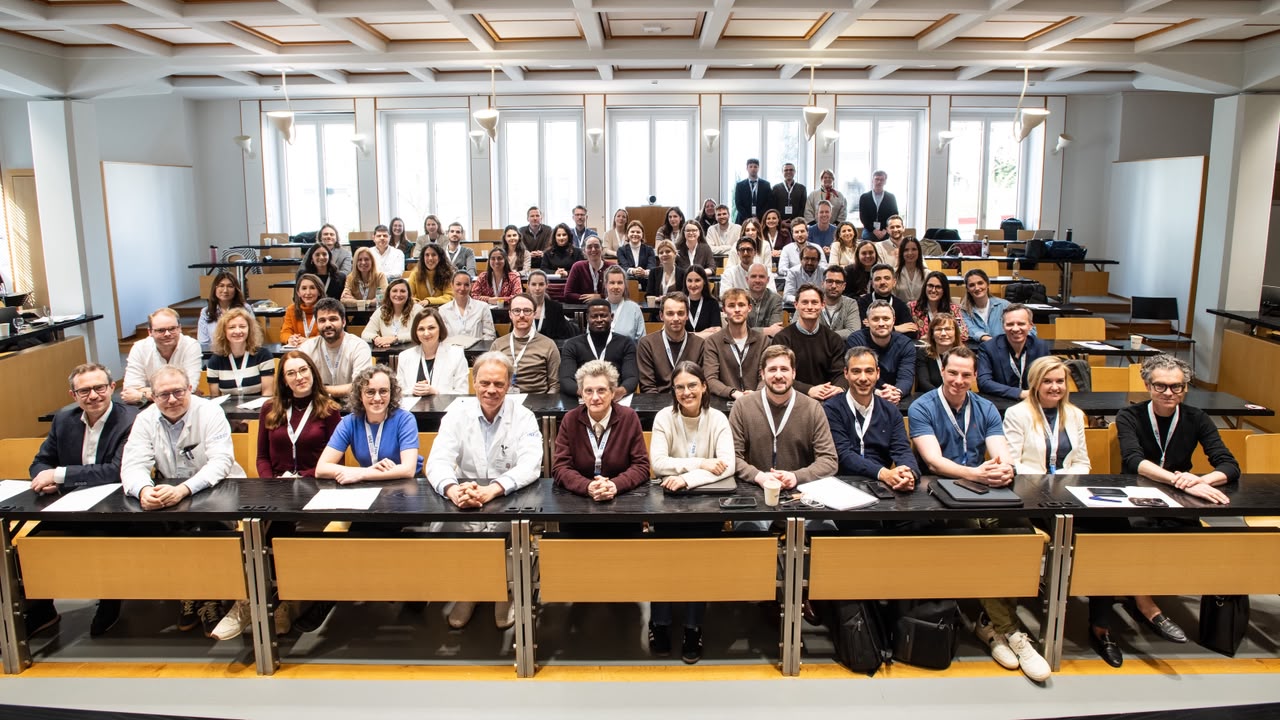
Participants and faculty of the Postgraduate Course in Heart Failure (PCHF), University Hospital Zurich, Switzerland. Dr. Bediako Mensah trained alongside cardiovascular clinicians and health system leaders from across the world, bringing the knowledge and frameworks of international cardiovascular medicine back to the communities of the Bono Region.
Engaging on international cardiovascular platforms brought a further and important realisation. Global cardiovascular leadership is not reserved for large institutions or wealthy countries. The experiences of African clinicians working in under-resourced settings (the patterns of late presentation, the disease burden carried silently by communities without access to diagnostics, the solutions developed out of necessity) are not peripheral to the global conversation. African experiences and African data deserve a central place in it. BHI's registry is, in part, a contribution to that conversation.
The Convergence
Bono Heart Initiative represents the convergence of these three experiences.
The community-centred philosophy of ELAM. The specialist cardiovascular expertise of Cardiocentro Ernesto Che Guevara. The systems-based cardiovascular framework of the University Hospital Zurich.
Together they form a single mission: to bring specialist cardiovascular detection, structured referral pathways, evidence-based care, and long-term health system strengthening closer to the communities that need them most.
BHI exists because specialist heart care should not be a privilege reserved for major cities. It should be accessible to every community.