🩺 Bono Region, Ghana · Founded 2026

Heart Care Should Not Depend
on Where You Live.

Bono Heart Initiative addresses the full Cardio-Metabolic-Renal continuum, from heart disease, diabetes, and obesity to kidney disease, bringing specialist detection closer to every community across the Bono Region of Ghana.

Led by a qualified cardiologist
Sunyani Teaching Hospital
CMR Strategic Plan 2026–2028
Longitudinal CMR registry
← scroll

Cardio-Metabolic-Renal disease is Ghana's silent crisis.

Hypertension. Diabetes. Obesity. Heart failure. Chronic kidney disease. These rarely show up alone. Most of the time they're stages of one continuum, and people don't find out they're on it until it's too late.

30–40%
of Ghanaian adults have hypertension Most undiagnosed. The single biggest driver of heart failure, stroke, and chronic kidney disease in the region.
1 in 8
Ghanaian adults live with diabetes Uncontrolled blood sugar damages the heart, blood vessels, and kidneys simultaneously, accelerating the CMR cascade.
#1
Heart failure leads cardiac admissions Presenting when structural damage is already irreversible, almost always the endpoint of years of unmanaged CMR disease.

The Bono Region carries a full CMR burden, with none of the infrastructure.

1.2 million people. 12 districts. No dedicated cardiovascular diagnostic centre. No structured region-wide CMR screening programme of any kind.

1.2M
People across 12 districts with no cardiac or metabolic diagnostic centre
~35%
Estimated hypertension prevalence, most of it undiagnosed, untreated, and progressing
Rising
Diabetes and obesity burden, driven by dietary change and sedentary urbanisation in district capitals
2–3 hrs
To the nearest specialist cardiac diagnostic centre, leaving most Bono Region residents without timely cardiovascular investigation.
GHS 300
Transport cost per referral, prohibitive for most farming and trading families
Zero
Structured CKD or metabolic syndrome screening programmes across all 12 districts
"There's no Cardio-Metabolic-Renal system here to plug into. BHI is building the first one this region has ever had."
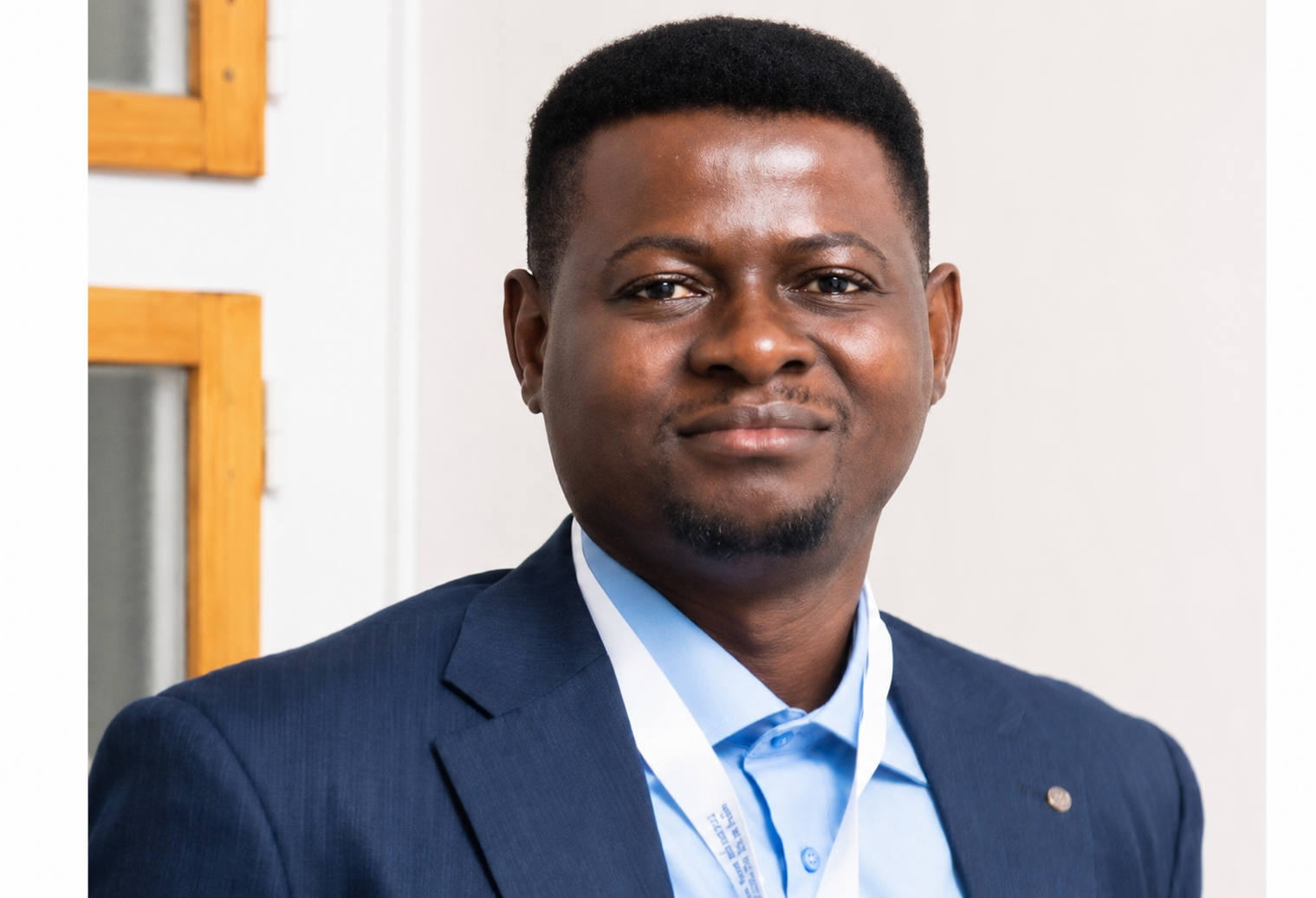
Dr. Edward Bediako Mensah, Consulting Cardiologist and Founder of Bono Heart Initiative
Dr. Edward Bediako Mensah, MD
Consulting Cardiologist · Founder, Bono Heart Initiative
Sunyani Teaching Hospital

"Every community deserves access to heart care."

Bono Heart Initiative grew out of one question that followed its founder across three countries and just as many health systems: why should the quality of your heart care depend on where you happen to live?

Its founder, Dr. Edward Bediako Mensah, began his medical training at the Latin American School of Medicine (ELAM) in Cuba, a globally recognised institution founded on the principles of equity, prevention, and service to underserved communities. At ELAM, physicians were taught to engage communities directly, identify disease early, and bring care closer to those who needed it most.

He then pursued specialist cardiology training at the Cardiocentro Ernesto Che Guevara in Santa Clara, Cuba, one of the country's leading cardiovascular centres, gaining advanced experience in echocardiography, heart failure, structural heart disease, and preventive cardiology. There, a pattern became clear: many patients presenting with advanced cardiovascular disease could have been identified far earlier if effective detection systems had existed closer to home.

"Many of the patients presenting with advanced cardiovascular disease could have been identified much earlier, if effective systems for detection and follow-up had existed closer to where they lived."

His training is currently being further deepened through the Postgraduate Course in Heart Failure (PCHF) at University Hospital Zurich, with the Certificate of Advanced Studies (CAS) expected in 2027, where he is learning how sustainable cardiovascular systems are built through registries, outcomes measurement, and implementation science.

Bono Heart Initiative draws on all three of those experiences: ELAM's grounding in community medicine, the specialist training from Cardiocentro, and the systems-building lessons still coming out of Zurich.

BHI exists because specialist heart care should not be a privilege reserved for major cities. It should be accessible to every community.

Meet Dr. Bediako Mensah: Full Story →

Cardio-Metabolic-Renal Disease:
the heart, metabolism, and kidneys, one system

Cardio-Metabolic-Renal (CMR) disease isn't three separate problems that happen to occur in the same patient. The heart, metabolism, and kidneys break down together, each one making the others worse.

C
Cardio
Hypertension · Heart failure · Stroke · Coronary artery disease · Congenital heart disease
M
Metabolic
Obesity · Insulin resistance · Type 2 diabetes · Metabolic syndrome · Dyslipidaemia
R
Renal
Chronic kidney disease · Cardiorenal syndrome · Proteinuria · Renal hypertension
🫀
Obesity
🩸
Insulin Resistance
💉
Diabetes
📈
Hypertension
🫘
Kidney Disease
💔
Heart Failure
🧠
Stroke
BHI screens for the whole continuum, because treating the heart alone is not enough. Learn more about the CMR continuum →

Built on credibility. Driven by purpose.

Our Clinical Philosophy

Cardio-Metabolic-Renal disease is the biggest non-communicable health problem facing the Bono Region, and no one has ever treated it as the single continuum it actually is. That's the gap BHI was founded to close.

Hypertension, diabetes, obesity, chronic kidney disease, heart failure, and stroke are usually handled as unrelated conditions: different specialists, different clinics, different funding lines. In reality, they're stages of the same disease process, each one feeding the next.

Every part of BHI works through that lens. Screening, education, outreach, registry-building, referrals, research, and policy work all trace back to the same starting point: CMR.

👨‍⚕️

Cardiologist-Led

Founded and led by Dr. Edward Bediako Mensah, MD, Consulting Cardiologist at Sunyani Teaching Hospital. Every clinical decision made at specialist level.

📋

Strategic Plan Completed

BHI operates a formal CMR Strategic Plan 2026–2028. Targets, timelines, and milestones are set. Outcomes are tracked every quarter across the full cardio-metabolic-renal continuum.

🏛️

Governance Structure Established

BHI has defined its governance framework, with board-level oversight, clinical advisory input, and financial accountability structures in place from the outset.

🗂️

Registry Framework Developed

A longitudinal CMR registry architecture is established before the first patient is screened, tracking every individual from first contact to final outcome across cardiac, metabolic, and renal parameters.

🤝

Community-Focused Delivery

BHI's clinical model is built around the community, not the clinic. Care comes to the patient. Screening happens in villages, markets, and schools, not waiting rooms.

🌱

Long-Term Sustainability Roadmap

BHI is built to outlast its founders. Registry data feeds research, research attracts grants, and grants keep the programme running, with outcomes strong enough, over time, to shift policy.

From Community Screening to Specialist Follow-Up

BHI's clinical model was designed for one purpose: reaching the people who need cardio-metabolic-renal care the most, in the communities where they live.

Tier 1

Community CMR Screening

BHI comes to your village, market, school, or community centre. No hospital. No appointment. No cost.

  • Blood pressure measurement
  • Blood glucose & HbA1c (diabetes screen)
  • 12-lead portable ECG
  • BMI, waist circumference & obesity scoring
  • Urine dipstick (kidney protein screen)
  • CMR risk questionnaire
Flagged Referred
Tier 2

CMR Diagnostic Hub

Flagged patients attend a structured CMR diagnostic session. Specialist tools. Specialist interpretation. Closer to home.

  • Portable echocardiography
  • 24-hour ABPM monitoring
  • 24–48hr Holter ECG
  • Metabolic & renal blood panel
  • Full CMR clinical assessment
  • Tertiary referral coordination
CMR detection begins in the community. Definitive diagnosis and management planning happens at the hub.

What BHI Actually Does

🩺

CMR Community Screening

Free cardio-metabolic-renal screening in villages, markets, and schools: heart, blood sugar, blood pressure, and kidney markers. No hospital visit required.

💙

Precision Diagnostics

Echocardiography, ABPM, Holter monitoring, and metabolic panels at our Tier 2 hub, for every flagged patient across the CMR spectrum.

🧪

Renal & Metabolic Detection

Identifying chronic kidney disease, insulin resistance, and metabolic syndrome early, before they progress to heart failure or stroke.

🔄

Referral Coordination

Structured CMR pathway from community screening to tertiary care. We follow up. We close the loop.

📢

Advocacy & Education

Radio, schools, community campaigns: building CMR health literacy across the Bono Region so communities recognise the warning signs early.

Understanding CMR Disease.

Science that speaks to everyone, in a language that makes sense in every community.

The Overworked AC Concept
Your body is like an air conditioner.
If you overwork it long enough, it will break down.

An AC unit works hardest when the rooms are too full, the filters are blocked, and the power supply is unstable. Your heart, metabolism, and kidneys work exactly the same way.

When you carry excess weight, your heart pumps harder, like an AC cooling a room that is too large. When your blood sugar is uncontrolled, your blood vessels thicken, like a clogged filter. When your kidneys are stressed, they can no longer remove waste efficiently, and the pressure backs up through the whole system. Eventually, the unit overheats. That is heart failure. That is stroke. That is end-stage kidney disease.

The good news: you can service the system before it breaks. That's exactly what BHI does.

Stage 1
Overloaded Filter
Excess weight & poor diet → insulin resistance begins. No symptoms. Easily reversible.
Stage 2
Rising Pressure
Blood pressure climbs. Blood sugar rises. The system is straining, but still silent.
Stage 3
Pipe Damage
Diabetes and hypertension scar blood vessels. Kidneys begin to leak protein. Heart enlarges.
Stage 4
System Failure
Heart failure. Stroke. Kidney failure. The AC has broken down. This is the stage most patients first present.
BHI catches you at Stage 1 and Stage 2, before the breakdown. Read the full CMR education resource →

Every Patient Stays on Record

Most outreach programmes screen on the day and disappear. BHI maintains a longitudinal CMR registry, tracking every patient from first contact to final outcome across the full cardio-metabolic-renal continuum.

🫀

Echo Registry

All echo studies: findings, impression, referral outcome, follow-up. BHI's primary cardiac research platform.

📈

ABPM Registry

24-hr BP profiles, circadian phenotype, dipping pattern: connecting hypertension to its cardiac and renal consequences.

🧪

Metabolic Registry

HbA1c, fasting glucose, BMI, waist circumference: a longitudinal metabolic burden map of the Bono Region.

🫘

Renal Registry

Urine protein, eGFR trends, CKD staging: linking metabolic and cardiac risk to kidney outcomes. First of its kind in the region.

🔄

Referral Tracking

Every referral, initiated, completed, outcome recorded. Accountability data for donors and the Ghana Health Service.

The Registry Value Chain
Registries
Publications
Credibility
Grants
Sustainability
Policy Change

Building a cardiovascular system
for the Bono Region.

BHI works district by district, one registry entry and one referral at a time. This isn't a one-off outreach programme, it's a regional health system taking permanent shape.

2026

Launch

Launch community CMR screening programme and registry. Establish Tier 1 outreach cycles and Tier 2 diagnostic hub. First 1,000 patients screened. Registry live.

2027

Expand

Extend structured screening and referral services across additional districts. Grow registry database. Publish first outcomes data. Strengthen institutional partnerships.

2028

Strengthen

Deepen regional partnerships and scale diagnostic access. Develop grant funding streams from registry publications. Formalise policy advocacy position with Ghana Health Service.

2030

Sustain

Establish a self-sustaining regional CMR network, supporting early detection, referral coordination, outcomes tracking, and evidence-based policy development across the Bono Region.

Year 1 Targets (2026)

Behind every number is a person reached, a diagnosis made, or a referral followed through. This dashboard updates as our first outreach cycles wrap up.

1,000
Individuals screened at community level
100
Echocardiograms at Tier 2 hub
50
ABPM studies completed
10
CHD cases identified & referred
2
Institutional partnerships

These are Year 1 targets from the BHI Strategic Plan 2026–2028. Real outcomes will be published after each outreach cycle.

📊 Live Progress, Updated in Real Time

Loading live statistics…

Outreach Programs

From market squares to school compounds, BHI brings free cardio-metabolic-renal screening directly to the communities of the Bono Region. Browse upcoming, ongoing, and completed outreach programs below.

Loading outreach programs…

BHI in the community.

Real impact. Real communities. Real people. A look into BHI's screening sessions, outreach days, diagnostic work, and the volunteers who make it all possible.


Invest in the Bono Region's CMR Health.

This is an investment in the cardio-metabolic-renal health of 1.2 million people, not a charity donation. You get full reporting, named impact, and a quarterly account of exactly what your money did.

Bronze Partner
GHS 5,000
≈ USD 320
Suited for Individuals, community leaders, faith organisations
  • Certificate of partnership
  • Name in annual report
  • Impact update letters
Silver Partner
GHS 10,000
≈ USD 645
Suited for Professionals, Rotary clubs, associations
  • All Bronze benefits
  • Logo on outreach materials
  • Outreach event invitation
Gold Partner
GHS 25,000
≈ USD 1,600
Suited for Banks, large businesses, diaspora donors
  • Named outreach session
  • Quarterly impact reports
  • Social media recognition
Platinum Partner
GHS 50,000
≈ USD 3,200
Suited for Mining, telecoms, pharmaceuticals
  • Named diagnostic hub session
  • Board presentation
  • Annual outcomes meeting
Corporate Strategic
GHS 100,000+
≈ USD 6,450+
Suited for Corporations, international CSR programmes
  • Co-branding on all materials
  • Strategic planning seat
  • Annual publication credit

All partner contributions are acknowledged in writing. BHI commits to annual impact reporting that shows exactly what your investment achieved.

Partner With BHI View Strategic Plan 2026–2028

Start a Partnership Conversation

Tell us about your organisation and we'll follow up within 3 business days.

Every contribution has a name.
Every name has an impact.

BHI is built on transparency. Here is what your support actually does in the Bono Region.

GHS 500
Supports the screening supplies for a full community outreach day: blood pressure cuffs, glucose strips, ECG electrodes, and consumables.
GHS 2,000
Supports community mobilisation: logistics, transport, and communications to bring a screening session to a remote village or market.
GHS 5,000
Supports a complete community outreach session, from arrival in the village to final triage, education, and referral for every flagged patient.
GHS 25,000
Supports a district-scale screening programme, reaching multiple communities across one district with full CMR screening and diagnostic follow-up.
GHS 100,000+
Supports strategic regional expansion, enabling BHI to establish a permanent presence, trained staff, and structured outreach cycles across multiple districts.

Every heartbeat matters.
Every community deserves a fighting chance.

A farmer in Dormaa. A teacher in Berekum. A child growing up in Jaman North. Their hearts deserve the same care as anyone in Accra or Kumasi, which means the doctor comes to them, and problems get caught while they're still fixable, not after.

Send Us a Message

Questions about screening, partnerships, volunteering, or media enquiries? We typically respond within 2 business days.

Cardio-Metabolic-Renal Health Education

One Body.
One Disease Continuum.

Obesity, diabetes, high blood pressure, kidney disease, heart failure, and stroke are not separate conditions. They are one story, and BHI is here to help you understand it before it reaches the final chapter.

Three systems. One shared fate.

Cardio-Metabolic-Renal (CMR) disease describes the way the heart, metabolism, and kidneys damage each other in a vicious cycle, each organ's failure accelerating the collapse of the others.

C

Cardio

The heart and blood vessels. Hypertension strains the heart muscle. Damaged vessels cannot deliver oxygen. The heart enlarges, weakens, and eventually fails. Stroke occurs when vessels in the brain are blocked or burst.

M

Metabolic

How the body processes energy. Obesity and insulin resistance lead to diabetes. Excess sugar and fat inflame blood vessels, damage the heart muscle directly, and overload the kidneys with glucose filtration.

R

Renal

The kidneys filter the blood. High blood pressure and diabetes scar the kidney filters. Scarred kidneys raise blood pressure further, retain fluid, and accelerate heart failure. The cycle is self-reinforcing.

How it starts. How it progresses. Where BHI intervenes.

Most people reach hospital at Stage 6 or 7. BHI is designed to find you at Stage 1 or 2, when the damage is still reversible and the cost of intervention is low.

🫀
Stage 1

Obesity & Excess Weight

When the body carries more fat than it can manage, especially around the abdomen, it begins to produce inflammatory signals that affect every organ. The heart works harder to pump blood through a larger body. Fat tissue becomes metabolically active in damaging ways.

At this stage there are usually no symptoms. Most people feel well. The disease is silent.

Fully reversible at this stage Lifestyle + diet Often missed
BHI screens: BMI, waist circumference, weight-height ratio, at every community outreach.
🩸
Stage 2

Insulin Resistance & Metabolic Syndrome

The body's cells stop responding to insulin properly. The pancreas compensates by producing more, but eventually it cannot keep up. Blood sugar begins to rise. Blood pressure creeps upward. Cholesterol patterns become dangerous.

Metabolic syndrome, the cluster of high blood sugar, high blood pressure, abnormal lipids, and abdominal obesity, multiplies the risk of heart disease and kidney damage five-fold.

Reversible with structured intervention Blood sugar rising Medications may help
BHI screens: fasting glucose, HbA1c, blood pressure, lipid profile.
💉
Stage 3

Type 2 Diabetes

Blood sugar is persistently elevated. Glucose damages blood vessel walls throughout the body, in the eyes, the nerves, the kidneys, and the heart. The kidneys begin to leak protein (a sign of damage). The heart muscle itself becomes stiffer and less efficient.

In Ghana, most people with diabetes are diagnosed at this stage or later. In the Bono Region, most are never diagnosed at all.

Manageable but not curable Organ damage begins Medication essential
BHI screens: HbA1c at community level; full metabolic panel at Tier 2 hub for flagged patients.
📈
Stage 4

Hypertension & Vascular Damage

Elevated blood pressure over years thickens and stiffens artery walls. The heart must pump against greater resistance, and enlarges as a result. Blood vessels supplying the kidneys narrow, reducing blood flow and triggering the kidneys to raise blood pressure further, a damaging feedback loop.

Uncontrolled hypertension is the single most common cause of stroke, heart failure, and kidney failure in Ghana.

High stroke risk Heart enlargement Kidney pressure rising
BHI screens: blood pressure at every community visit. ABPM monitoring available at Tier 2 hub.
🫘
Stage 5

Chronic Kidney Disease (CKD)

Years of high blood pressure and high blood sugar scar the kidney filters permanently. The kidneys lose their ability to remove waste products and regulate fluid. Toxins accumulate. Fluid builds up in the lungs and legs, placing enormous strain on the heart.

CKD and heart failure accelerate each other. This is called cardiorenal syndrome, and it is far more common in the Bono Region than anyone currently knows, because it has never been screened for.

Irreversible scarring Cardiorenal syndrome risk Specialist management required
BHI screens: urine dipstick (protein) at Tier 1. Urine ACR, eGFR at Tier 2 hub.
💔
Stage 6

Heart Failure

The heart can no longer pump enough blood to meet the body's needs. Fluid collects in the lungs (causing breathlessness) and the legs (causing swelling). Energy levels collapse. The kidneys fail further, creating a downward spiral between heart and kidney.

Heart failure is Ghana's number one cause of cardiac hospital admission. In the Bono Region, most patients arrive in crisis, because no earlier intervention ever occurred.

Life-threatening Hospital admission required Expensive to manage
BHI's echocardiography detects heart enlargement and dysfunction before heart failure develops, at Tier 2 hub.
🧠
Stage 7

Stroke

Years of hypertension, diabetes, and inflammation weaken blood vessels in the brain. When one bursts or becomes blocked, a stroke occurs within minutes. The damage can be permanent: paralysis, speech loss, cognitive impairment, or death.

In Ghana, stroke kills or disables in its prime. Most victims had elevated blood pressure for years before the event, and had never been told.

Emergency. Often fatal. Permanent disability risk Entirely preventable at Stage 1–4
Every BHI community screening is stroke prevention. Catch the blood pressure before the stroke, not after.

A story your community will understand.

Medical language should never be a barrier to understanding your own health. Here is the CMR disease story, told in a way that works everywhere.

Your body is like an air conditioner.
Overwork it long enough, and it will break down.

Think of your heart as an air-conditioning unit. It runs day and night to keep everything cool and comfortable. When the system is healthy (the filters are clean, the power supply is stable, the rooms are not too big), the AC runs easily.

But when you carry excess weight, your heart must cool a bigger space. It works harder just to keep up. When your blood sugar is uncontrolled, the internal filters (your kidneys) become clogged, blocked with sugar deposits that damage the fine mesh that cleans your blood. When your blood pressure is high, it is like running the AC at maximum power, constantly, with no rest.

What happens to an AC that runs too hard, with dirty filters, on an unstable power supply?

It overheats. It breaks down. And by the time the failure is obvious, the damage is already done.

Heart failure. Kidney failure. Stroke. These are not sudden events. They are the predictable end of a long overload. And the extraordinary truth is: every stage before breakdown is detectable, manageable, and often reversible, if you catch it in time.

The Overload

Too much weight, too little movement

The AC is cooling a space that is too large. It can manage, but it is running harder than it should be every single day.

The Blocked Filter

Insulin resistance & rising blood sugar

The internal filters are getting clogged. Airflow is reduced. The system compensates, but efficiency is dropping.

The Unstable Power

High blood pressure: persistent, relentless

Voltage surges and drops all day. The compressor strains. Components begin to degrade from the inside.

The Pipe Damage

Kidneys scarring, vessels thickening

The coolant pipes are corroded. Fluid backs up. The whole system is under pressure, and leaking.

The Breakdown

Heart failure. Stroke. Kidney failure.

The AC has failed. No amount of repair will restore it to what it was. The cost of waiting was everything.

BHI's Role

Service it before it breaks.

BHI comes to your community and checks the system (blood pressure, blood sugar, heart, kidneys) before a breakdown becomes inevitable.

You service your vehicle before it breaks down on the road. Your heart deserves the same care.

What people ask BHI.

I feel fine. Do I still need to be screened?
Yes, and this is the most important message BHI carries. CMR disease is silent for years. High blood pressure has no symptoms until a stroke occurs. Diabetes damages kidneys for a decade before pain begins. Heart failure announces itself only when the heart has already failed. Feeling fine means you are in the stage where intervention works best.
Is this only for older people?
No. Hypertension is increasingly common in Ghanaians in their 30s. Obesity and insulin resistance are rising in young adults. BHI screens from age 18 upward, and conducts congenital heart disease screening in children. CMR disease does not wait for age.
My mother has diabetes. Does that mean I will get it too?
Family history increases your risk, but it does not determine your outcome. Lifestyle, diet, activity, and early screening can dramatically reduce the probability of developing diabetes even with a strong family history. BHI's screening gives you the information to act before the condition develops.
What does BHI actually do when you come to screen me?
At Tier 1 (community screening), BHI measures your blood pressure, blood glucose, BMI, and performs an ECG. If anything is flagged, you are invited to a Tier 2 session at our hub, where echocardiography, 24-hour BP monitoring, metabolic blood tests, and kidney function tests are performed. Everything is explained to you clearly. Nothing costs you anything.
Can CMR disease be treated or reversed?
At early stages, absolutely. Obesity and insulin resistance can be reversed with lifestyle intervention. Blood pressure can be normalised with medication and lifestyle changes. Early kidney damage can be slowed or halted. The key is catching the disease in Stage 1, 2, or 3, not Stage 6 or 7. That is the entire rationale for BHI's existence.

Now you know the story.
Let BHI check your system.

Free. No hospital visit required. We come to you. One screening could change the direction of your health, and protect everyone who depends on you.

🧑‍⚕️ Meet the Founder

Dr. Edward Bediako Mensah

Consulting Cardiologist · Sunyani Teaching Hospital · Founder, Bono Heart Initiative

Trained in community-centred medicine. Committed to cardiometabolic renal equity. Building the cardiovascular system the Bono Region has always deserved.

Dr. Edward Bediako Mensah, Consulting Cardiologist and Founder of the Bono Heart Initiative
Dr. Edward Bediako Mensah, MD
Consulting Cardiologist
Sunyani Teaching Hospital, Ghana
ELAM Cuba Cardiocentro SCU PCHF Zurich (2027) CMR Medicine

Service before status.
Community before clinic.

Bono Heart Initiative was born from a journey that crossed communities, countries, and healthcare systems, but always returned to one central question: why should access to specialist care depend on geography?

ELAM Cuba: Where It Began

Dr. Bediako Mensah began his medical training at the Latin American School of Medicine (ELAM) in Cuba, a globally recognised institution founded on the principles of equity, prevention, and service to underserved communities.

At ELAM, healthcare was not viewed as something confined to hospitals. Physicians were taught to engage communities directly, identify disease early, and bring care closer to those who needed it most. This philosophy profoundly shaped his understanding of medicine, and never left him.

But this commitment to equity was not shaped by training alone. Growing up in Ghana, Dr. Bediako Mensah experienced first-hand the realities faced by people in underserved communities: the distances travelled to reach care, the costs that made specialist appointments impossible, the diagnoses that came too late because no system had ever reached the patient first. ELAM did not create this conviction. It gave it a framework, a language, and a path forward.

Cardiocentro Ernesto Che Guevara: Specialist Training

Following medical school, he pursued specialist cardiology training at the Cardiocentro Ernesto Che Guevara in Santa Clara, Cuba, one of the country's leading cardiovascular centres. There he gained advanced experience in cardiovascular diagnostics, heart failure management, structural heart disease, echocardiography, preventive cardiology, and the complexities of specialist cardiac care.

"Many of the patients presenting with advanced cardiovascular disease could have been identified much earlier, if effective systems for detection and follow-up had existed closer to where they lived."

That experience revealed an important reality: the clinical problems were rarely the result of poor medicine. They were the result of late presentation, driven by distance, cost, and the absence of structured detection systems in communities.

Returning to Ghana: The Observation That Could Not Be Ignored

Returning to Ghana and working within the Bono Region reinforced this observation. Patients frequently travelled long distances for specialist evaluation, often presenting late, after years of undetected hypertension, diabetes, heart failure, congenital heart disease, or kidney disease. The need was clear. The system to address it did not yet exist.

University Hospital Zurich: Building Systems That Last

Years later, this vision was further deepened through advanced postgraduate cardiovascular systems training at the University Hospital Zurich, one of Europe's foremost academic medical centres, through the internationally recognised Postgraduate Course in Heart Failure (PCHF). Dr. Bediako Mensah is currently enrolled in the programme and is expected to complete the Certificate of Advanced Studies (CAS) in 2027.

The PCHF programme brought together cardiovascular clinicians and health system leaders from across the world to examine how sustainable, high-quality heart failure care is designed, implemented, and measured at scale. The curriculum was rigorous: heart failure systems design, longitudinal patient registries, multidisciplinary care models, implementation science, outcomes measurement, and the principles of continuous quality improvement in cardiovascular programmes.

While Cuba taught the importance of equity and community engagement, and Cardiocentro provided deep specialist clinical expertise, Zurich answered the question that had been forming for years: how do you build a cardiovascular system that does not just serve patients today, but continues to serve them, improves over time, and generates the evidence to change policy permanently?
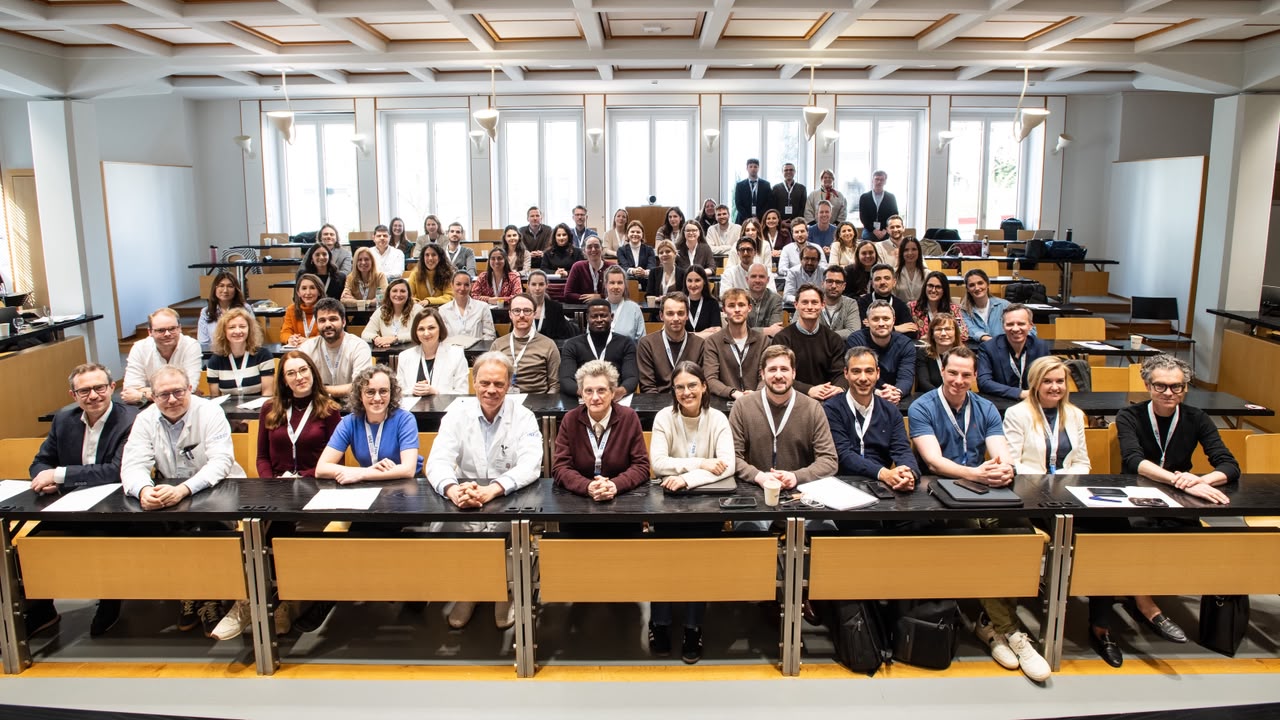
Participants and faculty of the Postgraduate Course in Heart Failure (PCHF), University Hospital Zurich, Switzerland
🌍
Global Learning. Local Impact.
Participants and faculty of the Postgraduate Course in Heart Failure (PCHF), University Hospital Zurich, Switzerland. Dr. Bediako Mensah trained alongside cardiovascular clinicians and health system leaders from across the world, bringing the knowledge and frameworks of international cardiovascular medicine back to the communities of the Bono Region.

Engaging on international cardiovascular platforms brought a further and important realisation. Global cardiovascular leadership is not reserved for large institutions or wealthy countries. The experiences of African clinicians working in under-resourced settings (the patterns of late presentation, the disease burden carried silently by communities without access to diagnostics, the solutions developed out of necessity) are not peripheral to the global conversation. African experiences and African data deserve a central place in it. BHI's registry is, in part, a contribution to that conversation.

The Convergence

Bono Heart Initiative represents the convergence of these three experiences.

The community-centred philosophy of ELAM. The specialist cardiovascular expertise of Cardiocentro Ernesto Che Guevara. The systems-based cardiovascular framework of the University Hospital Zurich.

Together they form a single mission: to bring specialist cardiovascular detection, structured referral pathways, evidence-based care, and long-term health system strengthening closer to the communities that need them most.

BHI exists because specialist heart care should not be a privilege reserved for major cities. It should be accessible to every community.

Three institutions. One mission.

Medical School

Latin American School of Medicine (ELAM), Cuba

A globally recognised institution founded on equity, prevention, and service to underserved communities. ELAM shaped the conviction that the doctor must go to the patient, not the other way around.

Specialist Cardiology Training

Cardiocentro Ernesto Che Guevara, Santa Clara, Cuba

One of Cuba's leading cardiovascular centres. Advanced training in echocardiography, heart failure, structural heart disease, preventive cardiology, and cardiovascular diagnostics. Where the pattern of late presentation became impossible to ignore.

Postgraduate Training, Ongoing

University Hospital Zurich: PCHF (CAS expected 2027)

Advanced postgraduate cardiovascular systems training through the internationally recognised Postgraduate Course in Heart Failure (PCHF), University Hospital Zurich. Currently enrolled, Certificate of Advanced Studies (CAS) expected 2027. Focused on heart failure systems, registries, implementation science, multidisciplinary care, outcomes measurement, and sustainable cardiovascular programme development.

Current Role

Consulting Cardiologist, Sunyani Teaching Hospital

Providing specialist cardiac care, echocardiography, ABPM monitoring, and cardiology inpatient management at the Bono Region's primary teaching hospital, while building BHI to serve the communities beyond its walls.

2026–Present

Founder, Bono Heart Initiative

The convergence of ELAM's community philosophy, Cardiocentro's specialist expertise, and Zurich's systems thinking, applied to one region, one mission, and 1.2 million people who deserve better.

What Dr. Bediako Mensah is building.

🗺️

A Regional CMR System

Not a one-off screening event. A permanent, structured, self-sustaining cardiovascular health system embedded in the Bono Region's health infrastructure.

📊

Research That Drives Policy

The BHI registry will generate publications. Publications will generate grants. Grants will sustain the programme. Evidence will change national health policy on CMR disease.

🛡️

Prevention Before Crisis

A Bono Region where hypertension is caught at the village market, not in the emergency ward. Where diabetes is managed at Stage 2, not at dialysis.

🫀

Cardiovascular Equity

The same standard of specialist cardiac detection available in Accra, available in Dormaa, Berekum, and Jaman North. Distance should not determine diagnosis.

🇬🇭

A Model for Ghana

BHI is designed to be replicable. If it works in the Bono Region, the model of community screening, CMR registries, and structured referral can be adopted across Ghana's underserved regions.

🌱

The Next Generation

Training community health workers in CMR literacy. Building a generation of Bono Region residents who understand their heart, their metabolism, and their kidneys, before disease takes hold.

"I did not build this for recognition. I built it because the Bono Region deserves a doctor who shows up, and a system that stays."
Dr. Edward Bediako Mensah, MD

Support the vision.
Back the movement.

BHI is built on one person's conviction and one region's need. Help make it the system the Bono Region deserves.

Give a Saturday.
Help save a heart.

BHI's screening days run on volunteers: registering families, guiding them through the process, and keeping the day organised so our clinical team can focus on care. No medical background required for most roles; just time, reliability, and a heart for your community.

Four ways to help on screening day.

Pick the role that matches your skills and availability. Most volunteers work a single outreach day at a time, no long-term commitment required.

📋

Registration & Language Support

Welcome community members, help them complete registration forms, and translate between English, Twi, and local dialects where needed.

📣

Community Mobilization

Work with local leaders and community information centres in the days before an outreach to spread the word and answer questions.

🗂️

Data & Records

Support the team entering screening results into the registry accurately, and help track referrals through to follow-up.

🩺

Clinical Support

For nurses, clinical students, and allied health workers: assist with vitals, echo setup, and patient flow under supervision.

Tell us about yourself.

We'll be in touch about upcoming outreach dates that match your role and location.

Refer a patient into
CMR care.

If you're a community health worker, nurse, clinician, or community member who has seen someone showing early cardio-metabolic-renal warning signs, refer them here. Our team will follow up directly and connect them to the nearest screening or diagnostic pathway.

⚠️ For an urgent or emergency case, don't wait for a form response. Call or WhatsApp us directly at +233 597 201 858.

Any of these warning signs is reason enough.

BHI screens across the full cardio-metabolic-renal continuum. A patient doesn't need a confirmed diagnosis to be referred, only a reasonable concern.

🫀 Obesity / high BMI
🩸 Insulin resistance
💉 Diabetes symptoms
📈 High blood pressure
🫘 Signs of kidney disease
💔 Heart failure symptoms
🧠 Stroke history / risk

Tell us about the patient.

A member of our team will reach out to arrange screening or a specialist appointment.

Patient Details

Three years.
One system. Built to last.

BHI operates a formal, board-governed strategic plan, not a series of one-off outreach days. Here's what we've already put in place, and what the next two years are built to deliver.

Year by year.

'26

Foundation Year

  • Formal governance structure established: board-level oversight, clinical advisory input, and financial accountability from the outset.
  • Longitudinal CMR registry architecture developed, so every patient is tracked from first contact through final outcome.
  • Community-focused delivery model built around outreach days, not fixed clinic visits.
  • First community screening, diagnostic, and referral cycles run across the Bono Region.
'27

Scale & Systematize

  • Expand screening coverage to additional districts and community partners across the region.
  • Grow the referral network with district and regional health facilities to shorten time-to-treatment.
  • Publish first registry-derived findings to inform regional CMR policy and planning.
'28

Long-Term Sustainability

  • Diversified, sustainable funding base spanning partnerships, grants, and community support.
  • A documented, replicable CMR model other regions in Ghana can adopt.
  • Local capacity built so the system continues to run independent of any single individual.

The five pillars this plan is built around.

🩺
Community Screening
💙
Precision Diagnostics
🧪
Renal & Metabolic Detection
🔄
Referral Coordination
📢
Advocacy & Education

Want the full plan and partnership terms?

Reach out to our partnerships team and we'll share the detailed strategic plan and prospectus directly.

Get in Touch →
Register for Screening

Do you have any of the following?